

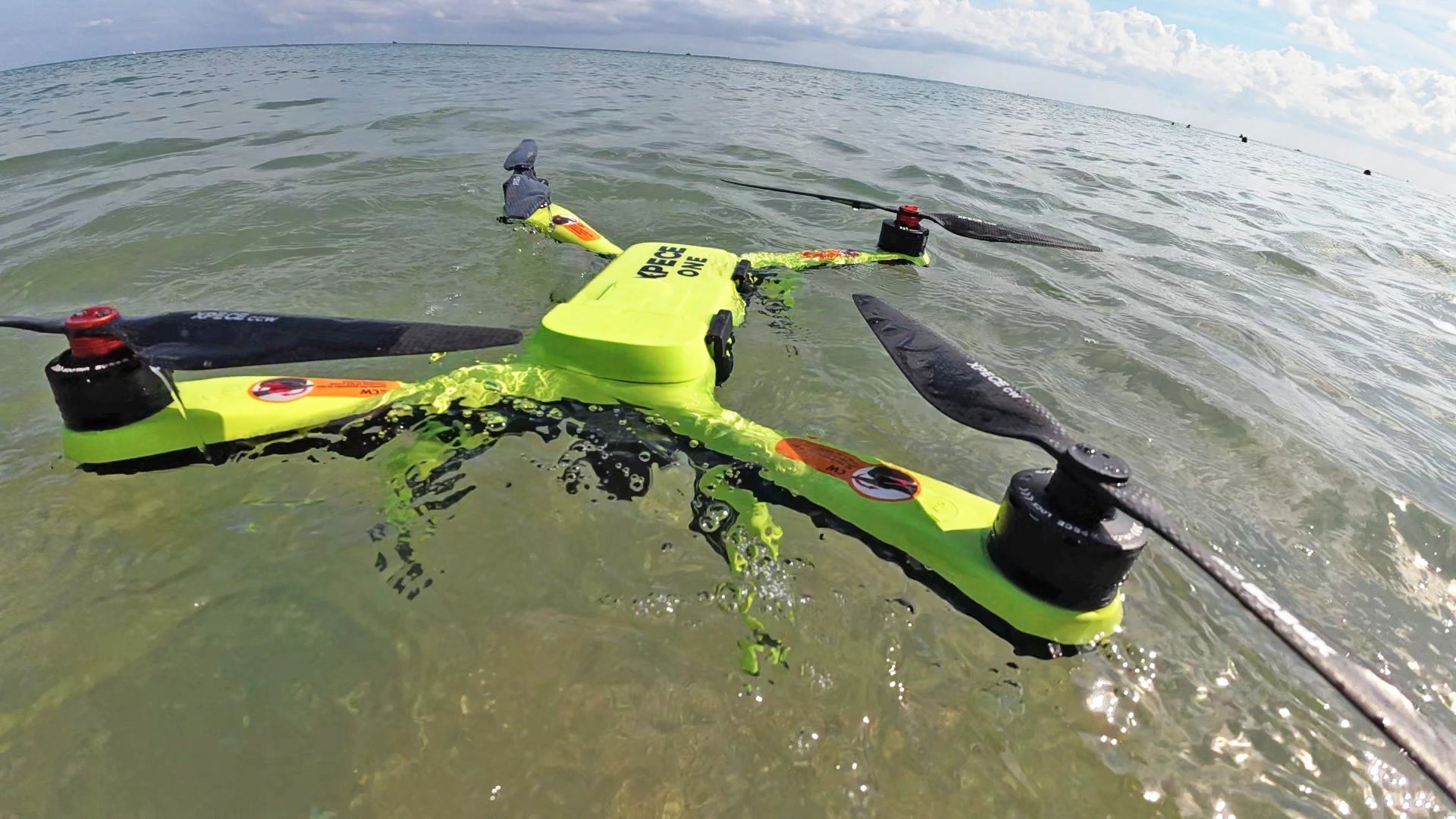
Xpece ONE Underwater Camera: What to Look for Before You Drop
Most anglers drop their bait blind and hope for the best. The Xpece ONE gives you live underwater video before every drop — here's how to actually read it and use it to catch more fish.

Every angler reading the water from shore is guessing. You look for ripples, color changes, birds working the surface — indirect clues about what's happening below. The Xpece ONE's underwater camera changes that entirely. Before you drop a single piece of bait, you can see the bottom, read the structure, and confirm whether fish are actually there.
But having a live feed and knowing how to read it are two different things. This guide covers what to look for, what it means, and how to use that information to put your bait in exactly the right spot.
Why the underwater camera is a must-have accessory → Not all fishing drones include one. Here's what you're missing without it.How the camera system works
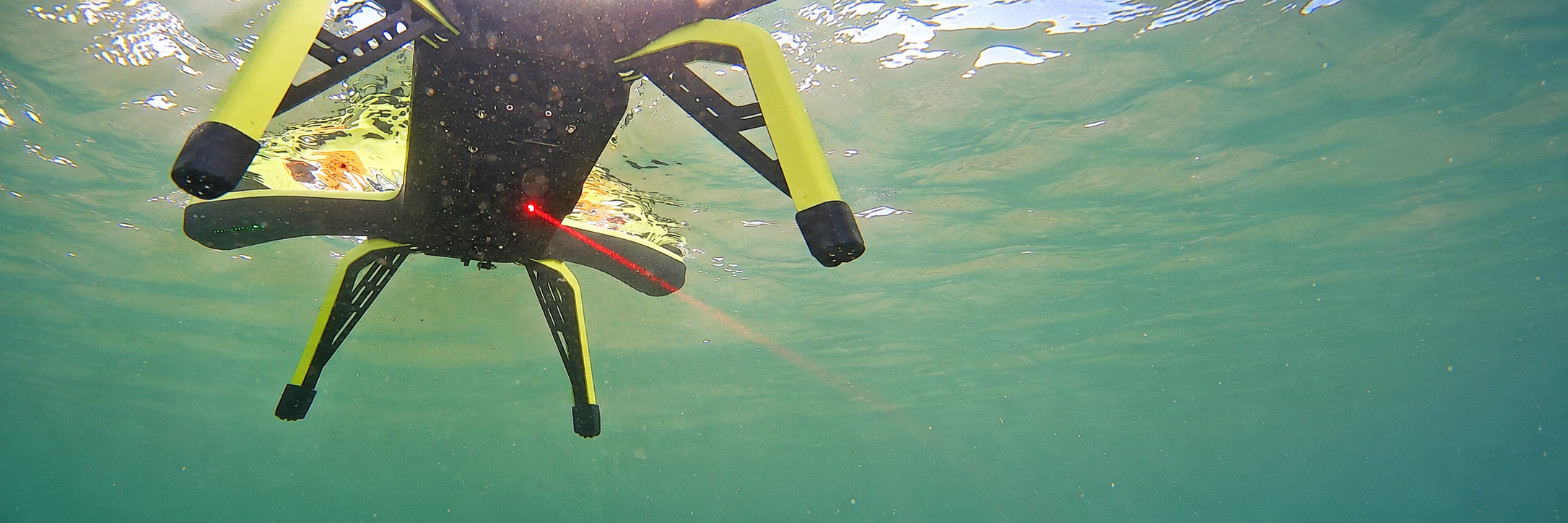
The Xpece ONE has a camera mounted on the underside of the drone body, pointing downward into the water. As you fly over the surface, it transmits a live video feed directly to the waterproof remote's built-in screen — no phone, no app, no secondary device required.
The camera is active from the moment you take off. You don't need to switch modes or activate anything separately. As you fly out toward your target area, the feed is running continuously — giving you a real-time view of everything below the drone.

Sandy bottom with clear visibility — this tells you you're over open, flat ground. Good for some species, but keep moving to find structure or depth changes.
What to look for on the live feed
Depth changes and drop-offs
The most productive spots in nearshore fishing are almost always on depth transitions — where shallow water drops into deeper water. On the camera feed, this appears as a color shift from light (shallow, sandy) to dark (deep water). The edge of that transition is where predators hold and ambush baitfish. Drop your rig right on the edge of that color change.
Bottom structure
Rocks, reefs, weed beds, and artificial structure all appear as irregular, darker shapes against the sandy bottom. Structure concentrates baitfish, which concentrates predators. If you see anything that breaks the uniform sandy bottom — fly over it slowly and identify it before deciding where to drop.
Baitfish schools
Active baitfish schools are visible as dense, moving clusters — a shimmer or dark mass that shifts and pulses as you fly over. If you see bait activity, drop your rig on the edges of the school, not directly into it. Predators hunt the perimeter, not the center.
Sand bars and troughs
Sand bars appear as lighter-colored ridges running parallel to shore. The trough between a sand bar and the beach is a natural channel where fish travel and feed. Drop your bait into the trough on the inside of the bar — it's one of the most productive spots in surf fishing.
The laser targeting point
The Xpece ONE includes a laser that's visible in the underwater camera feed. The laser shows you the exact point directly below the drone — so when you're hovering over a target spot and ready to drop, you know precisely where the bait will land. No guessing, no drift estimation.

The Xpece ONE waterproof remote — sunlight-readable screen with live underwater video. Everything visible at a glance, hands-free from the beach.
Reading conditions: what the feed looks like
| What you see | What it means | What to do |
|---|---|---|
| Uniform light sand | Flat, shallow bottom — low structure | Keep flying, look for edges or depth changes |
| Dark color shift | Deeper water or dense weed | Drop on the edge of the transition |
| Irregular dark shapes | Rocks, reef, or structure | Drop adjacent to structure, not on top |
| Moving shimmer or mass | Active baitfish school | Drop on the perimeter of the school |
| Parallel ridges | Sand bars | Drop in the trough between bar and shore |
| Murky or zero visibility | Turbid water, post-storm conditions | Rely on depth change only — drop on color edges |
Species-specific scouting tips
Shark fishing
For sharks, focus on depth transitions 200–400 yards offshore. Sharks patrol the edge where the flat nearshore bottom drops into deeper water. A slow pass along a depth change line is more productive than hovering in one spot — cover ground until you find the sharpest transition, then drop there. Read our full shark fishing drone setup guide for the complete approach.
Tarpon and jack
These species work inlets, passes, and the mouths of channels. Look for moving water over structure — the feed will show a visible current effect over the bottom in these areas. Drop your bait uptide of the structure and let it drift naturally into position.
Surf species (pompano, drum, snook)
Focus on the troughs behind sand bars and any irregular bottom feature within 150–250 yards of shore. These fish feed in the surf zone where baitfish concentrate near structure. A short scouting pass parallel to shore reveals the bar and trough pattern almost immediately.

The result of dropping bait in the right spot — not guessing. The underwater camera is what makes the difference.
Common mistakes when using the camera feed
Flying too fast to read anything. The feed is only useful if you give yourself time to process it. Fly slowly over your target area — if you're covering ground too fast, the image blurs and you miss the details that matter.
Dropping on the first thing you see. The first drop spot you identify is rarely the best one. Scout a wider area before committing. A 90-second pass costs nothing — a poorly placed drop costs you a whole tide cycle.
Ignoring the laser. The laser dot in the feed tells you exactly where the bait will land. Use it to confirm your position before releasing — especially in wind, when the drone can drift several feet from where you think you're hovering.
How to use the payload release once you've found your spot → Step-by-step: attaching your rig, timing the drop, and getting it right every time.Frequently asked questions
Does the Xpece ONE have an underwater camera?
Yes. The Xpece ONE includes an underwater camera mounted on the underside of the drone that transmits live video to the waterproof remote. It's active from takeoff and requires no separate app or device.
What can you see with the Xpece ONE underwater camera?
In clear water conditions you can see bottom structure, depth changes, sand bars, weed beds, and baitfish schools. In turbid conditions, depth transitions still show as color changes even when bottom detail isn't visible.
Do I need a phone or app to see the underwater camera feed?
No. The live feed displays directly on the Xpece ONE waterproof remote's built-in screen. No phone, no app, no secondary device required — everything is on the remote in your hand.
How deep can the Xpece ONE camera see?
Visibility depends on water clarity rather than depth — in clear tropical or coastal water you can see bottom detail at 10–15 feet. In murky or post-storm water, depth transitions still appear as color changes on the feed even when bottom detail isn't clear.
What is the laser for on the Xpece ONE?
The laser is visible in the underwater camera feed and shows the exact point directly below the drone. It lets you confirm your precise position over a target spot before releasing the bait — eliminating the guesswork of estimating drift or position from above.
Stop dropping blind.
See before you drop.
Free shipping across the US in 1–4 days. 30-day money-back guarantee.
SHOP THE XPECE ONE →